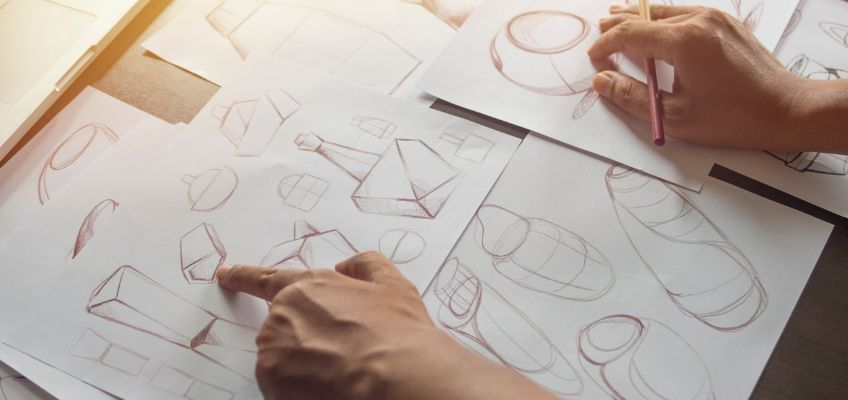
In precision manufacturing, speed and accuracy both matter. When product designs take too long to finalize, projects slow down and costs can rise. Rapid prototyping plays a key role in keeping product design cycles moving, especially in industries that rely on tight tolerances and complex parts, such as wire EDM machining.
By creating accurate prototypes early, teams can test designs, catch issues, and move toward production with confidence.
What Rapid Prototyping Means in Wire EDM
In the world of wire EDM, rapid prototyping focuses on producing highly precise parts from the very beginning. Instead of waiting until a design is finalized for full production, wire EDM allows manufacturers to cut detailed prototypes directly from hard materials with extreme accuracy.
These early parts closely match the final product, making them ideal for testing fit, function, and performance. Because wire EDM does not apply cutting force, it is especially useful for delicate or intricate designs that need to be exact.
Why Faster Design Cycles Matter
Long design cycles can slow innovation and delay product launches. In precision industries, even small design errors can cause major setbacks if they are discovered too late. Rapid prototyping with wire EDM helps identify those issues early.
When engineers can test real, high-accuracy parts sooner, they spend less time guessing and more time refining the design. This leads to faster approvals and smoother progress through each design stage.
Turning Designs Into Real Parts Quickly
Wire EDM makes it easier to turn CAD designs into physical parts without long setup times. Once a design is ready, it can be programmed and cut with minimal delays. This allows teams to move from a digital concept to a real prototype in a short time.
Having a physical prototype helps confirm dimensions, tolerances, and overall design intent. It also makes it easier to see whether small changes are needed before moving forward.
Better Testing With High-Precision Prototypes
Not all prototypes are created equal. When a prototype closely matches the final part, testing becomes more reliable. Wire EDM produces prototypes with clean edges and tight tolerances, which means test results are more accurate.
This level of precision helps teams evaluate how parts fit together, how they perform under real conditions, and whether the design meets exact specifications. Any issues can be corrected early, saving time later in the process.
Clearer Communication Between Teams
High-quality prototypes also improve communication. Engineers, designers, and decision-makers can all review the same physical part instead of relying on drawings alone. This shared reference makes discussions clearer and reduces misunderstandings.
When everyone is aligned, decisions happen faster and the design process stays on track.
Reducing Costly Rework
Discovering design problems during production can be expensive. Rapid prototyping with wire EDM helps avoid this by validating designs before full-scale manufacturing begins.
By making small adjustments early, companies reduce the risk of scrap, rework, and production delays. This leads to a more efficient workflow and better use of resources.
From Prototype to Production
Once a design has been tested and approved through rapid prototyping, moving into production becomes much smoother. The design has already been proven, and the risk of unexpected issues is lower.
Wire EDM plays a key role in this transition by delivering consistent precision from prototype to final part.
Rapid prototyping is essential for faster and more reliable product design cycles, especially in precision-driven industries. Wire EDM allows manufacturers to create accurate prototypes quickly, test designs thoroughly, and move into production with confidence.
Though there are many advantages of using wire EDM machining for your next project, be sure to choose an experienced company with quality machines and expert operators so you get the best possible results. Whether you need prototypes or are ready for a production run, contact us at CAM Tech.